

A decade after Brexit, industry faces renewed uncertainty as proposed regulatory alignment with the EU threatens investment, innovation and grower competitiveness.
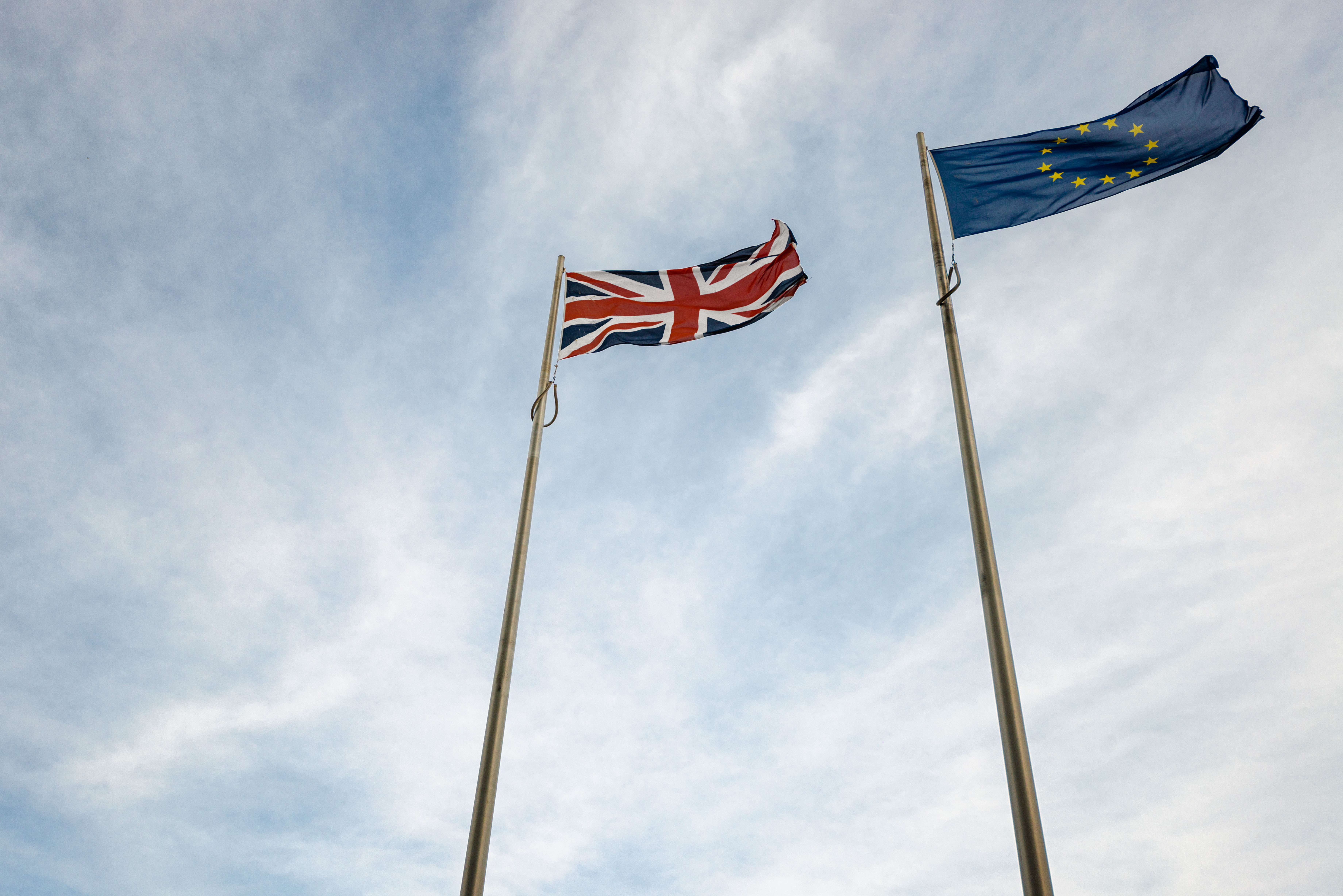
Ten years ago today, the UK went to the polls to answer the question, "Should the United Kingdom remain a member of the European Union?" After a sometimes bitter campaign that cut across the main party lines, we gathered to watch the announcement of the exit poll. The accepted wisdom held that David Cameron's UKIP-busting gambit would have paid off. Then, almost anticlimactically, the result was announced. By the slimmest of margins, the country had answered "no".
Ten years on from that night, the world has fundamentally changed, and crop protection and plant innovation have been far from immune to those changes. Ten years ago, the UK was part of a transcontinental Plant Protection Product (PPP) regulatory regime. Now we operate an independent national one. Ten years ago, the prospect of novel genetic technologies finding their way onto supermarket shelves was inconceivable. Now we have a regulatory mechanism for genetically edited products to be grown, sold and eaten in the UK. And ten years ago, the UK was part of a regime that delivered products to a vast market, but at the expense of time, excessive precaution and a heavily politicised system. Now the UK is leading Europe in bringing innovative PPP technologies to market.
The system is not perfect, and it is laced with sometimes costly challenges. The road to get here was even more challenging, with companies, regulators and the wider supply chain grappling with the implications of "going it alone". With David Cameron whistling his way out of Downing Street on 24th June, the pragmatic but tenuous premiership of Theresa May, and the cakeism of Boris Johnson, our industry had to pivot, prepare, adapt and align with sometimes wildly different visions of what Brexit might look like. Which we did.
Now, ten years later, as a sector we have adapted to operating safely and productively in a post-Brexit world. Humans are naturally wary of the unknown. There is no evolutionary mystery to this. Uncertainty means chaos and confusion; chaos and confusion that can stymie planning, investment and decision-making.
Sadly, since May of last year, uncertainty has crept back into our industry. The gains, such as they are, from leaving the EU are at risk. The Brexit we prepared for, adapted to and invested time and resources into now looks set to change. And if the Government's ambitions are realised, it could change at an unmanageable pace. At CropLife UK, we support a closer relationship with the EU and, like many trade associations, supported the Government's aim of resetting a sometimes strained relationship with our closest trading partners. As an association that represents a range of international businesses, we even supported a more aligned relationship with the EU's PPP regime, provided it was delivered with managed alignment in mind.
However, the Government appears to be embracing a damaging cliff-edge scenario, whereby alignment with EU decisions and standards looks set to be both immediate and retrospective. This would be damaging and wrong. Immediate retrospective alignment would torpedo legitimately made UK decisions overnight. It would put growers at immediate risk of having to choose between using products illegally or saying goodbye to their profit margins. It would also damage our trade with the rest of the world and expose us to costly WTO challenges through the adoption of unscientific Maximum Residue Levels. In our report, produced by the Andersons Centre in January this year, we estimated that the cost to British growers of immediate retrospective alignment could be as much as £800 million. Allies and analysts have increasingly added to this figure, and the government’s (unsupported by a published impact assessment) figure of £5 billion increase in GDP looks increasingly unreliable.
Ten years on from the Brexit vote, the UK is set to have its seventh Prime Minister. Following this latest change in the occupant of Number 10, the EU has postponed the proposed UK-EU summit in July. With no EU Partnership Bill due to be laid before Parliament prior to the summer recess, this delay represents a genuine opportunity. An opportunity for the Government to take stock and consider what it wants this deal to look like. This reset remains a unique opportunity to realign our relationship with the EU for the benefit of British industry, growers and consumers. It is too important to get wrong and far too important to rush.
When the new prime minister moves behind the big black door our ask of them is simple, give clarity not confusion and if they want to know what that looks like; pick up the phone, we’re very happy to talk.
Press Enquiries
Josh Woolliscroft, Head of External Affairs
07511182207


